
If you’re a next-generation entrepreneur or a business heir aiming to grow, modernize, or professionalize your family business, choosing the right family business management course could be one of the most important decisions you ever make.
With India’s booming startup ecosystem, generational transitions, and a growing appetite for global expansion, Post Graduate Programs in Entrepreneurship and Family Managed Business (PGPEFMB) have become the go-to pathway for young leaders who want to preserve legacy while creating impact.
These programs are especially valuable during early succession planning, helping prepare the next in line, whether you're stepping in as part of the 2nd generation or 3rd generation with both the emotional intelligence and the business acumen to handle complex transitions.
But not all courses are created equal.
So how do you know which one is worth your time, money, and trust?
Here’s a detailed breakdown of what to look for whether you’re exploring a PGP in Family Business, a MBA in Family Business, or a niche entrepreneurship and family business management program.
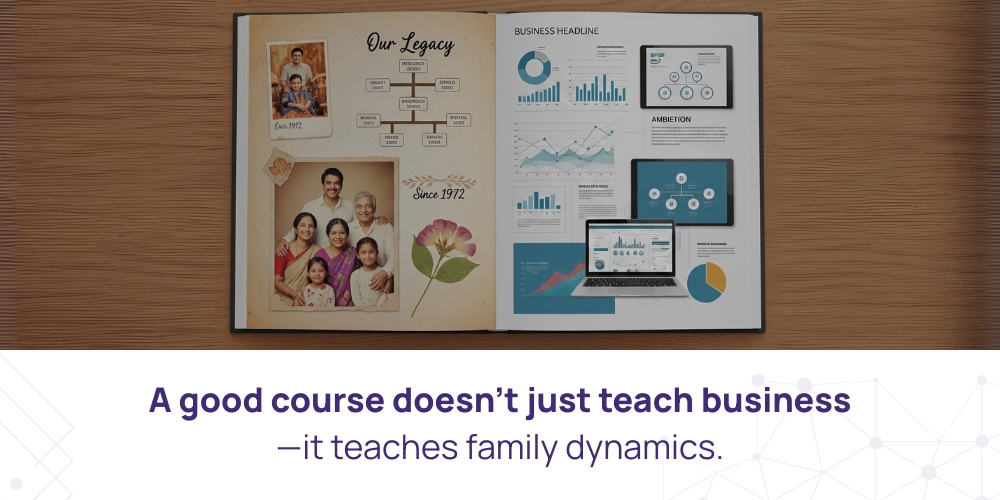
Unlike a generic MBA, a good family business management course should focus specifically on the unique complexities of running a family-run enterprise.
Look for a curriculum that covers:
Many 1st generation entrepreneurs often find it challenging to transition from founder-led leadership to systems-led growth. A solid curriculum helps build that bridge, setting up the foundation for a smoother business transition across generations.
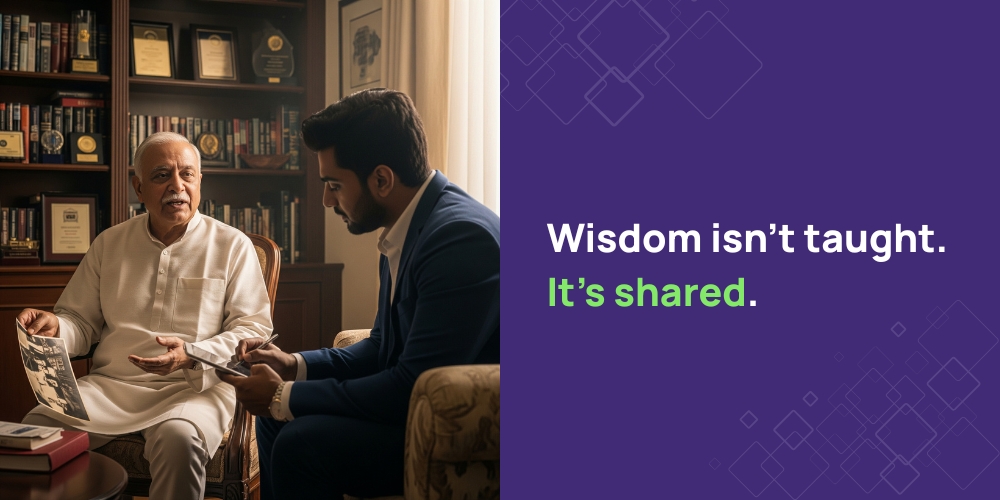
In family businesses, wisdom is as valuable as strategy.
The top PGPEFMB programs in India and abroad offer mentorship from successful entrepreneurs, CXOs, family business founders, and second-generation leaders. These are the people who’ve seen it all - leadership transitions, mergers, exits, emotional breakdowns, and business turnarounds.
Mentorship is often the secret sauce that helps students:
Ask: Does the program offer mentorship, founder interactions, or advisory board support?
Whether you’re part of a legacy-led 2nd generation or stepping in as an eager 3rd generation, this kind of mentorship ensures you’re not alone in your leadership journey.
Legacy is powerful but without innovation, it can also become your biggest limitation.
A modern entrepreneurship and family business course should equip you with tools to:
Whether you’re from a 1st generation startup-style family business or inheriting an established legacy, the right tools can help you future-proof your enterprise for the next transition.
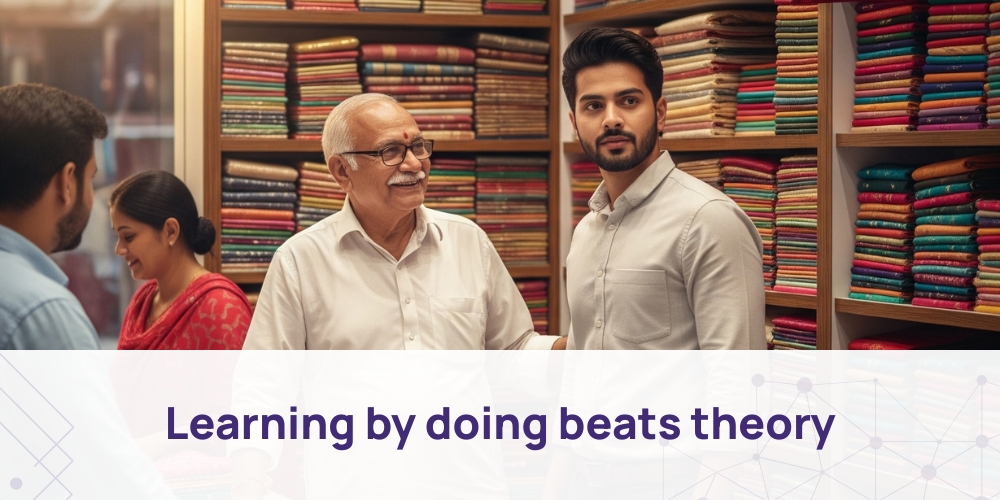
Real learning happens through doing.
Seek out programs that offer:
These experiences are crucial when preparing for real-world business transitions where stakes are high and emotional complexity runs deep.
You don’t just need professors, you need practitioners.
Top-ranked family business MBA programs often feature faculty who:
If you're preparing as a 2nd generation or 3rd generation successor, the lived experience of faculty becomes your competitive edge.
The next wave of family businesses won’t just be local, they’ll be global.
Check if the program offers:
Your peers in such programs aren’t just classmates, they’re future business allies, investors, or collaborators.
Look for programs that:
This peer network becomes invaluable, especially during early succession planning, when decision-making can feel isolated or politically charged within the family setup.
Running a family business isn't just about balance sheets. It's about navigating emotions, relationships, and legacy.
Top programs incorporate:
This grooming helps you tackle not only external business challenges but also the emotional minefields that often appear during business transitions from one generation to the next.
Family businesses are emotional. Strategic. Messy. Powerful. And deeply personal.
A good course won’t just teach you how to run your family business.
It will prepare you to step up as a 2nd or 3rd generation leader, to start succession planning early, and to manage a seamless business transition.
Ultimately, it will help you become the leader your business needs and your family can be proud of.